Stranded in Snow: What to Do
Disclosure: This page contains affiliate links. If you buy through them we may earn a commission at no extra cost to you. As an Amazon Associate I earn from qualifying purchases. Details.
1. Stay with the car
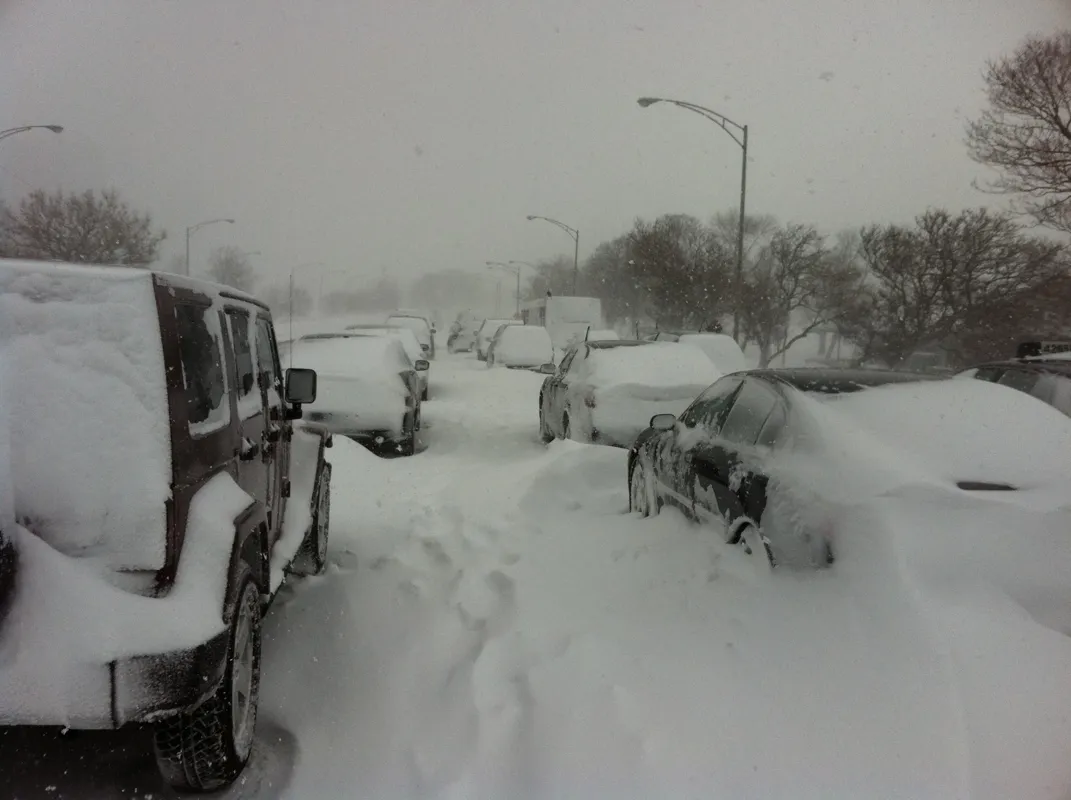
Every official source agrees. The car is shelter and is easier for rescuers to find than a person. The NWS warns you can become disoriented quickly in wind-driven snow.
2. Prevent carbon monoxide poisoning
- Clear snow from the exhaust pipe before running the engine, and check it again if snow keeps falling.
- Run the engine about 10 minutes each hour for heat (NWS).
- Crack a window slightly while it runs.
3. Make yourself visible
- Dome light on at night while the engine runs (NWS, NHTSA).
- Tie a bright cloth, preferably red, to the antenna or door.
- After the snow stops, raise the hood to signal you need help.
- Put out flares or reflective triangles if it's safe to step out.
4. Stay warm without wasting energy
- Layer up and use blankets. Share body heat.
- Move arms, legs, fingers, and toes from time to time (NWS), but avoid hard exertion like pushing the car or shoveling heavy snow.
- Don't eat unmelted snow; NWS says it lowers body temperature.
5. Watch for frostbite and hypothermia
From Ready.gov:
- Frostbite: numbness; white or grayish-yellow, firm or waxy skin on face, fingers, or toes.
- Hypothermia: shivering, exhaustion, confusion, fumbling hands, memory loss, slurred speech, drowsiness. A body temperature below 95°F is an emergency.
Before you go: prevent it
Tell someone your route and arrival time (NWS, NHTSA), leave with a charged phone and a car charger, keep the tank close to full, and carry a kit from our checklist.
Quick reference card
Print this and keep it in the glove box:
- Stay in the vehicle unless help is visible nearby (ready.gov).
- Exhaust: keep the pipe clear of snow. Run the engine only about 10 minutes per hour for heat, with a window cracked slightly (ready.gov).
- Signal: hang a bright cloth, and turn on the dome light while the engine runs.
- Move: exercise lightly to stay warm, without overexerting.
- Watch: check yourself and passengers for frostbite and hypothermia, and seek medical care for symptoms (weather.gov).
Help rescuers find you
- Tell someone your route and expected arrival time before you leave (NHTSA).
- Keep your phone charged and save its battery. Text instead of calling when signal is weak.
- Know your location. Note mile markers, exits, or cross streets as you drive.
Kids and pets in the car
Extra blankets, layers, snacks, and water matter more with passengers who can't regulate their own warmth as well. Keep everyone together and covered. Never leave children or pets alone in a car in any weather.
After you're rescued
Warm up gradually. Seek medical care for any signs of frostbite or hypothermia; weather.gov lists the warning signs. Restock your kit before the next trip.
FAQ
Should I stay in my car or walk for help?
Stay in the vehicle. Ready.gov, NHTSA, and the National Weather Service all advise staying with the car; NWS warns you can become disoriented quickly in wind-driven snow.
Can I run the engine for heat?
The NWS says about 10 minutes each hour, with a window cracked slightly and the exhaust pipe cleared of snow, to avoid carbon monoxide poisoning. NHTSA says run it only sporadically.
How do I signal for help?
NWS suggests the dome light at night while the engine runs, a bright cloth (preferably red) on the antenna or door, and raising the hood after snow stops falling.
Related guides
- Winter Car Emergency Kit Checklist (Printable)
- Portable Jump Starters for Cold Weather: How to Choose
- Stocking Stuffer Car Gifts by Budget